+86-13819126663
Kuivatid muuseumide, arhiivide ja raamatukogude jaoks video

Kuivatid muuseumide, arhiivide ja raamatukogude jaoks

240L muuseumide kuivati

Kirjeldus

Kuivatid muuseumide jaoks, arhiivid


Põhijooned:

1. Suurte pindade kasutamine: suur kuivamisvõimsus, mis sobib suurte pindade kuivamise nõudmiseks, suurte tuuletsüklite jaoks


2, ülikiire niiskuse vahemik: 20% -90% ultra-lai õhuniiskus, võib rahuldada erinevate kuivatuskohtade vajadusi, suudab paindlikult reageerida äärmuslikele keskkondadele


3, toetada pidev drenaaž: väline äravoolutoru, otsene juurdepääs kanalisatsioonitorule, mugav äravool


4, intelligentne kuivatamine: sisaldab nutikaid kiipe, automaatselt intelligentne kuivatamine vastavalt praegusele keskkonna niiskusele, ei ole vaja vaadata


5, intelligentne rikkeotsus: määrab automaatselt hoolduseks LCD-ekraanil vea asukoha ja tagasiside


6, kahesuunaline ajastus: saab seadistada käivitusaja ja seiskamisaja vastavalt töö nõuetele, lihtne kasutada


Toote fotod:
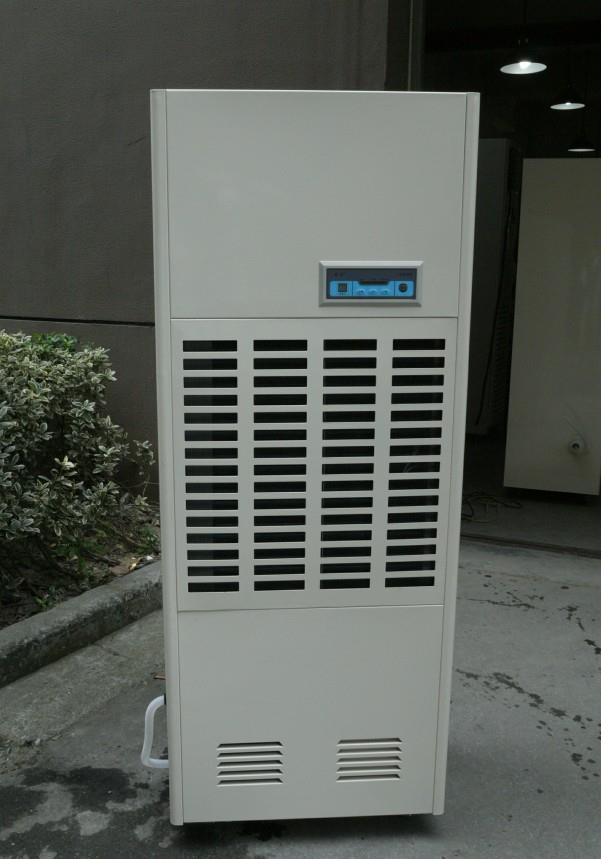
Dehumidifiers for Museums, Archives and Libraries

Dehumidifiers for Museums, Archives and Libraries

Üksikasjalikud parameetrid:

Mudel DH-5168C
Niiskuse eemaldamine 168L / D või 7L / H
Energiaallikas 380V / 50HZ
Nimivõimsus 3.2KW
Toitevool 6.2A
Töö temperatuur 5-38 ℃
Ringlev õhk 1600M3 / h
Külmutusaine R22 / R407C
Neto kaal 108 kg
Kogumass 118 kg
Ruumi rakendamine 150 ~ 200m2
Toote mõõtmed 405x605x1620mm
Pakendimõõt 485x655x1680mm
Laadimine Kogus 33tk / 20tk
Tootmisperiood 10 päeva
Garantii 1 aasta

Taotlus Dehumidifier jaoks muuseumides, arhiivides ja raamatukogus

Niiskuse mõiste (absoluutne niiskus ja suhteline niiskus) on tavaliselt kaasatud muuseumi keskkonnauuringute uuringusse. Niiskuse mõistmiseks on vaja mõista suhtelist niiskust ja absoluutset niiskust. Meie ümber paiknev õhk sisaldab teatud koguses veeauru, mida nimetatakse niiskeks õhuks; õhku, mis on teoreetiliselt vaba veeaurust, nimetatakse kuivaks õhuks. Absoluutne niiskus on veeauru massi suhe niiske õhu kogumahuni. See on õhu veeauru koguse mõõt.


Teatud temperatuuri tingimustes tähendab see, et õhu veesisaldus ja veesisaldus, mille juures veeaur jõuab küllastuspunkti, on tavaliselt suhteline niiskus. Kui õhu niiskus saavutab kõrgeima taseme, nimetatakse seda küllastuseks. Sellisel juhul on suhteline õhuniiskus 100%.


Õhku ladustatava vee kogust mõjutab temperatuur. Mida kõrgem on temperatuur, seda rohkem vesi on. Seetõttu ei muutu absoluutne niiskus (veesisaldus). Mida kõrgem on temperatuur, seda madalam on suhteline õhuniiskus. Kui veeauru mass õhus on konstantne ja temperatuur muutub, võib suhteline niiskus oluliselt erineda.


Näiteks muuseumide puhul, mis on avatud avatud keskkonnas, võivad kogud, sealhulgas metallist esemed, eksponeerimise ajal kokku puutuda kõrgema temperatuuriga ja suhtelise õhuniiskusega, kuid mingil põhjusel liiguvad esemed madalal temperatuuril keskkonnas tänu muutustele. temperatuuri juures kondenseerub metallist artefakte ümbritsev veeaur külmades tingimustes, põhjustades "kondenseerumist". Metallist artefaktide pinnal on veeauru "kondenseerumise" nähtus oluliseks põhjuseks metalli esemete korrosioonile.


Lisaks on selle keskkonna niiskus, kus kollektsioon paigutatakse, liiga suur, mistõttu kollektsioonid on halva veekindlusega, näiteks paberiga, värvide värvus tumeneb ja on kalduvus hallitustesse; ja kui niiskus on liiga madal, hakkab puit ja lakid purunema. . Seetõttu on muuseumi atmosfääri niiskusesisalduse ja temperatuuri kontrollimine üsna oluline.


Tänapäeval on paljud muuseumid ja kunstigaleriid kodus ja välismaal hakanud kasutama atmosfääri niiskuse reguleerijaid, niiskuse neelajaid jne, et kohandada näituseruumi ja lao niiskust ning saanud teatud tulemusi.

The concept of humidity (absolute humidity and relative humidity) is usually involved in the study of museum environmental studies. In order to understand the humidity, it is necessary to understand the relationship between relative humidity and absolute humidity. The air around us contains a certain amount of water vapor, which is called wet air; the air that is theoretically free of water vapor is called dry air. Absolute humidity is the ratio of the mass of water vapor in the air to the total volume of humid air. It is a measure of the amount of water vapor in the air.  Under certain conditions of temperature, the ratio of the water content in the air to the water content at which the water vapor in the air reaches the saturation point is what we usually call relative humidity. When the moisture in the air reaches the highest level, it is called saturation. The relative humidity in this case is 100%.  The amount of water that can be stored in the air is affected by the temperature. The higher the temperature, the more the water is. Therefore, the absolute humidity (water content) does not change. The higher the temperature, the lower the relative humidity. If the weight of water vapor in the air is constant and the temperature changes, the relative humidity may vary greatly.  For example, for museums in a semi-open environment, collections including metal artifacts may be exposed to a higher temperature and relative humidity during the exhibition, but for some reason the artifacts are moved to In a low temperature environment, due to the change of temperature, the water vapor around the metal artifacts will condense under cold conditions, causing


The concept of humidity (absolute humidity and relative humidity) is usually involved in the study of museum environmental studies. In order to understand the humidity, it is necessary to understand the relationship between relative humidity and absolute humidity. The air around us contains a certain amount of water vapor, which is called wet air; the air that is theoretically free of water vapor is called dry air. Absolute humidity is the ratio of the mass of water vapor in the air to the total volume of humid air. It is a measure of the amount of water vapor in the air.  Under certain conditions of temperature, the ratio of the water content in the air to the water content at which the water vapor in the air reaches the saturation point is what we usually call relative humidity. When the moisture in the air reaches the highest level, it is called saturation. The relative humidity in this case is 100%.  The amount of water that can be stored in the air is affected by the temperature. The higher the temperature, the more the water is. Therefore, the absolute humidity (water content) does not change. The higher the temperature, the lower the relative humidity. If the weight of water vapor in the air is constant and the temperature changes, the relative humidity may vary greatly.  For example, for museums in a semi-open environment, collections including metal artifacts may be exposed to a higher temperature and relative humidity during the exhibition, but for some reason the artifacts are moved to In a low temperature environment, due to the change of temperature, the water vapor around the metal artifacts will condense under cold conditions, causing

Kuum tags: Muuseumide, arhiivide ja raamatukogude kuivatid Hiina, tootjad, tarnijad, tehas, hulgimüük

Küsi pakkumist

(0/10)

clearall